Source Euro Vi Off Road Vehicle for Mining, Farming, and Patrol
Find 30 euro vi off road vehicle options with 4WD, automatic transmission, and CE/EPA certifications. Compare specs like 50-140 km/h speeds, 2-5.9t loads, and 4-stroke engines from Chinese manufacturers to match your industrial or recreational needs; compare the available evidence and request quotations based on your requirements.
Key considerations
Products List


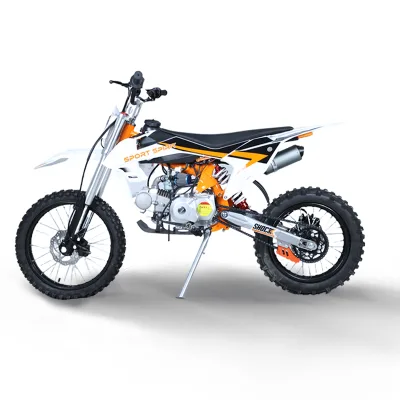


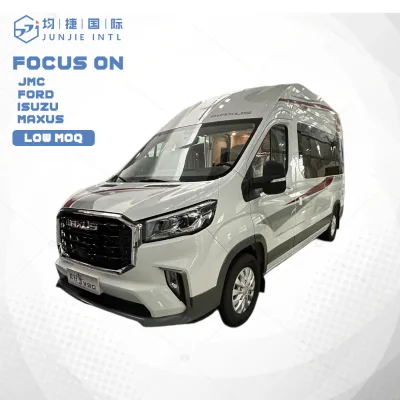
Comprehensive Sourcing Guide
Euro Vi Off Road Vehicle Sourcing Guide
Sourcing Euro VI compliant off-road vehicles requires a nuanced understanding of regulatory boundaries, as this emission standard primarily targets on-road diesel engines. Buyers must distinguish between strict Euro VI certification for road-legal trucks and the varied emission norms applicable to off-road machinery. The market often lists vehicles with mixed compliance claims, so verifying the specific engine type and intended use case is critical before engaging suppliers.
Procurement teams should focus on vehicles explicitly designed for off-road applications, such as all-terrain vehicles, pickups, and specialized utility trucks. These categories often operate under different regulatory frameworks than highway transport. Understanding the distinction between gasoline and diesel powertrains is essential, as Euro VI standards apply differently to each. Buyers must clarify whether the vehicle is intended for public roads or private terrain to ensure accurate compliance verification.
Product Scope and Observed Listing Signals
The current market landscape for off-road vehicles includes a diverse range of configurations, from compact all-terrain units to heavy-duty pickups. Listings frequently highlight features such as four-wheel drive, automatic transmissions, and high ground clearance, which are essential for rugged terrain. Buyers should observe that product models vary significantly, with some units designed for light utility tasks and others built for heavy load capacities up to two tons.
Price ranges in observed listings span from approximately $356 to over $220,000, reflecting the vast difference in vehicle class and capability. Minimum order quantities typically start at one unit, allowing for flexible procurement strategies. However, buyers must scrutinize listing details carefully, as some entries may describe gasoline-powered units while others specify diesel engines, which have different emission compliance pathways.
Technical Specifications to Verify
Technical verification begins with the engine type, as the powertrain dictates performance and emission compliance. Buyers should confirm whether the vehicle utilizes a four-stroke gasoline or diesel engine, noting that displacement and torque figures vary widely. For instance, some listings indicate engines with displacements around 400cc, while others describe heavy-duty diesel units with maximum torques exceeding 1000 Nm.
Transmission and drivetrain specifications are equally critical for off-road utility. Automatic wet multi-plate clutches and CVT systems are common in lighter units, while heavier vehicles may feature six-speed automatic transmissions. Buyers must also verify physical dimensions, including wheelbase, ground clearance, and wading depth, to ensure the vehicle meets specific operational requirements for the intended terrain.
Compliance and Safety Documentation
Compliance documentation is the most complex aspect of sourcing off-road vehicles, particularly when Euro VI standards are mentioned. Buyers must verify if the vehicle is certified for on-road use, as Euro VI primarily applies to road-legal diesel engines. For off-road applications, other emission standards may apply, and suppliers should provide clear documentation regarding the specific regulatory framework the vehicle meets.
Safety certifications such as CE, EPA, and ISO standards are frequently listed and should be validated against the vehicle’s intended market. Buyers should request copies of these certificates to ensure they are current and applicable to the specific model. Additionally, features like automatic brakes and parking systems should be verified for functionality, as these are critical for safe operation in challenging environments.
Cost Drivers and Commercial Terms
Cost drivers for off-road vehicles include engine type, material quality, and customization options. Heavy-duty diesel engines with high torque and load capacity command higher prices compared to lighter gasoline-powered units. Buyers should also consider the cost of customization, as many suppliers offer tailored configurations for specific industrial or agricultural applications, which can significantly impact the final price.
Commercial terms such as shipping costs and payment conditions vary widely among suppliers. Buyers should negotiate shipping terms carefully, as large vehicles incur substantial freight costs. Minimum order quantities are often flexible, but bulk purchases may yield better pricing. It is advisable to clarify all additional costs, including packaging and handling, to avoid unexpected expenses during the procurement process.
Supplier Qualification and Quality Control
Supplier qualification requires a thorough review of manufacturing capabilities and quality control processes. Buyers should verify the supplier’s origin, with many manufacturers based in regions like Shandong, China, known for producing a wide range of off-road vehicles. Assessing the supplier’s history and reputation is essential to ensure reliability and consistent product quality.
Quality control measures should include inspections of critical components such as the engine, transmission, and chassis. Buyers should request detailed specifications and test reports for key performance indicators, including top speed, climbing degree, and braking efficiency. Establishing clear quality benchmarks and inspection protocols before production begins helps mitigate risks and ensures the delivered vehicles meet agreed-upon standards.
Long-Term Procurement Checks
Long-term procurement success depends on establishing strong relationships with suppliers and maintaining open communication channels. Buyers should regularly review supplier performance, including delivery times, product consistency, and after-sales support. Building a network of reliable suppliers ensures access to competitive pricing and timely deliveries, which are crucial for maintaining operational continuity.
Continuous monitoring of regulatory changes and market trends is essential for staying compliant and competitive. Buyers should stay informed about updates to emission standards and safety regulations, particularly if planning to expand into new markets. Regularly updating procurement strategies and supplier evaluations helps adapt to changing market conditions and ensures long-term procurement efficiency.
FAQs
What engine types are available for off-road vehicles?
The available engine types include 4-stroke gasoline and diesel configurations. Buyers can choose between CF Motor gasoline engines or diesel options depending on their power requirements. These engines support automatic transmission systems, ensuring smooth operation across various terrains and driving conditions for professional use.
Can I customize the vehicle specifications and packaging?
Yes, customization is available for vehicle configurations and packaging methods. Options include iron frame with carton, iron frame only, or nude package. Buyers can also request customized standards and models to meet specific operational needs, ensuring the product aligns precisely with their logistical and functional requirements.
What certifications do these off-road vehicles hold?
These vehicles hold CE, EPA, ISOCCC, TSEPA, EEC, and RoHS certifications. These credentials verify compliance with international safety and environmental standards. Buyers can rely on these documented certifications to ensure regulatory adherence in various markets, facilitating smoother import processes and broader market acceptance for the equipment.
What is the maximum speed and load capacity?
Maximum speeds range from 50km/h to 140km/h depending on the model. Load capacities can reach up to 2 tons, with some heavy-duty variants supporting higher weights. These performance metrics ensure versatility for both light utility tasks and heavy industrial applications across diverse off-road environments and operational scenarios.
Where are these vehicles manufactured and shipped from?
These vehicles are manufactured in China, with specific origins noted in Shandong. Shipping costs are negotiable with the supplier directly. Buyers should coordinate logistics terms during procurement to understand freight implications, ensuring transparent cost structures and reliable delivery schedules for international orders and supply chain planning.
What are the standard dimensions and ground clearance?
Standard dimensions vary, with some models measuring 2250x1150x670mm and others up to 2980x1910x1300mm. Ground clearance ranges from 230mm to 400mm, and wading depth reaches 850mm. These specifications provide robust off-road capability, allowing navigation through rough terrain and water crossings with confidence and stability.